Lars Flores · 21 September 2026
The Interplay of Pollination Dynamics and Cross-Platform Referral Pathways in Agricultural Data Ecosystems
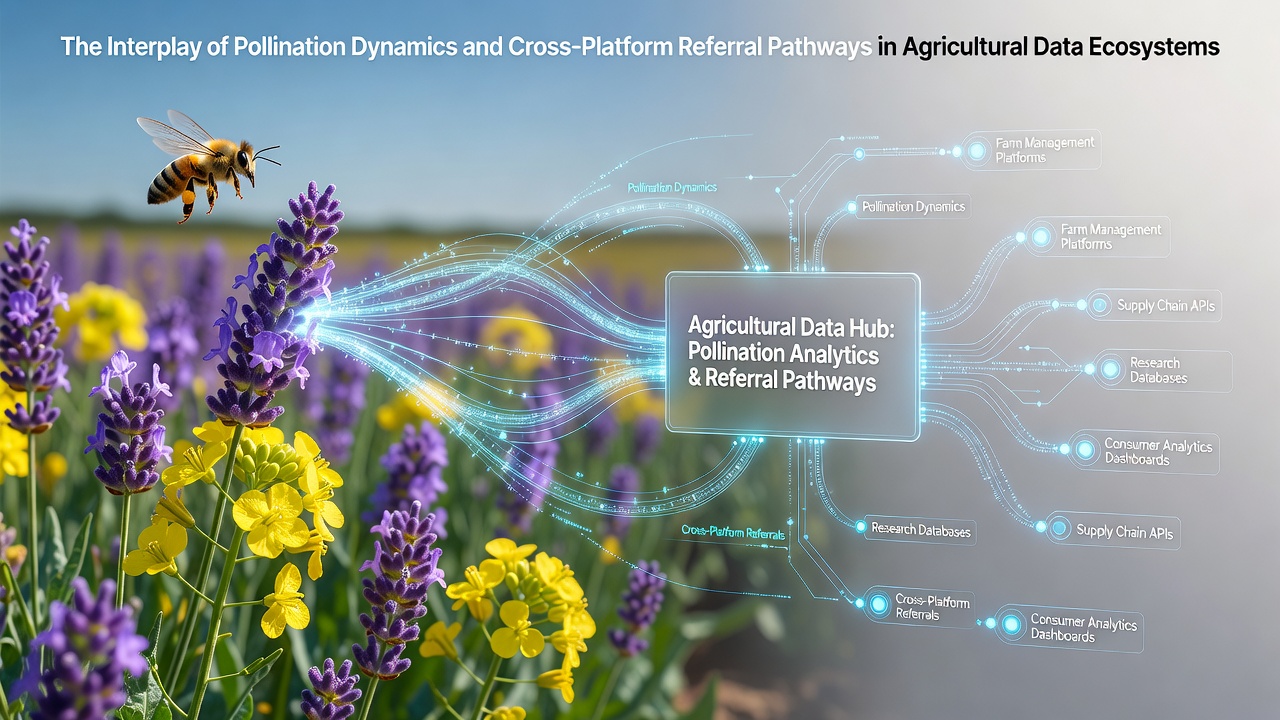
Pollination dynamics in agricultural systems depend on interactions between insect populations, crop varieties, and environmental conditions that researchers track through sensor networks and satellite imagery. These biological processes generate datasets on pollinator activity, flower visitation rates, and seed set percentages that feed into broader agricultural data ecosystems. Cross-platform referral pathways allow one application to direct users toward complementary services, such as weather analytics tools that link to pollinator health dashboards maintained by separate providers.
Core Mechanisms of Pollination Data Collection
Studies from the United States Department of Agriculture document how managed honeybee colonies contribute to the pollination of almonds, apples, and blueberries across multiple states, with data streams updated daily during peak bloom periods. Researchers deploy RFID tags on individual bees and acoustic sensors in orchards to record movement patterns, then aggregate these readings into standardized formats that other platforms can ingest. When a farm management system detects declining visitation rates, it can trigger an automated referral to a regional beekeeper network through API endpoints that exchange location coordinates and crop bloom calendars without exposing proprietary yield forecasts.
Data collected in September 2026 from the European Union's agricultural monitoring program revealed similar patterns in Mediterranean olive groves, where wild bee species supplement managed hives during late-season flowering. These records integrate with soil moisture readings and temperature logs to produce composite indices that third-party applications use to recommend supplemental pollination services. Referral pathways in this context operate through secure token exchanges that maintain compliance with regional data protection rules while enabling seamless handoffs between a primary crop monitoring app and a specialized pollinator analytics service.
Integration of Referral Pathways Across Platforms
Agricultural technology companies structure referral pathways so that a user querying irrigation schedules receives suggestions for pollinator habitat modules hosted on partner servers. These connections rely on standardized data schemas developed by organizations such as the International Society for Horticultural Science, which define fields for bloom stage, pest pressure, and hive density. When platforms exchange these variables, the receiving system can calculate adjusted pollination requirements and present the originating user with a direct link to schedule hive relocation or habitat seeding.
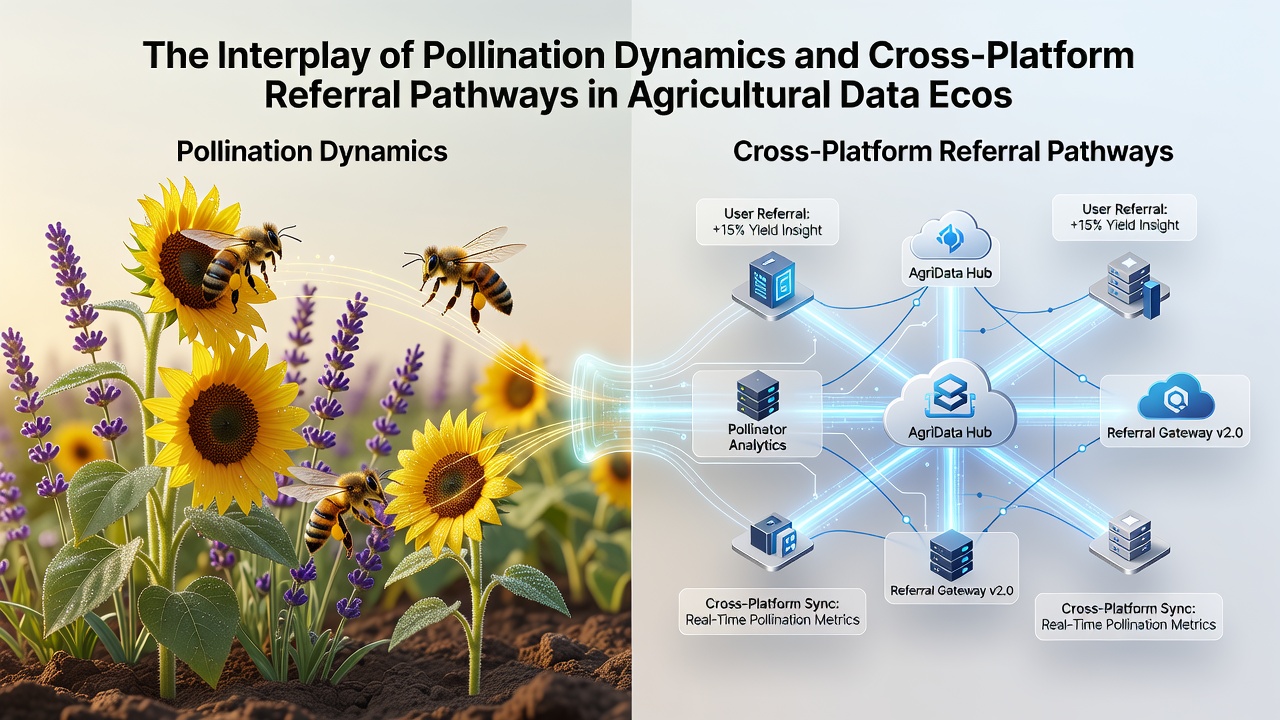
Australian Bureau of Agricultural and Resource Economics reports highlight how almond growers in Victoria coordinate with beekeepers through platforms that automatically refer hive placement requests based on satellite-derived vegetation indices. The system checks bloom progression against historical pollination success rates stored in a separate database, then initiates the referral while logging the transaction for regulatory audits. This architecture reduces the time between data capture and service activation from days to hours, allowing producers to respond to sudden changes in pollinator availability caused by weather shifts.
Technical Standards Enabling Data Exchange
Interoperability standards such as the Agricultural Data Application Programming Interface specifications facilitate the secure transfer of pollination metrics between otherwise siloed systems. These standards specify encryption requirements and consent protocols so that a Canadian grain producer using one platform can authorize data sharing with a pollinator monitoring service operated in another province. The resulting referral pathways preserve traceability while complying with federal privacy legislation that governs agricultural information flows.
Observational networks maintained by land-grant universities contribute ground-truth validation datasets that commercial platforms incorporate into their referral algorithms. When sensor readings indicate reduced bee activity, the system cross-references university records on regional colony collapse incidents and generates targeted recommendations for alternative pollinator species or adjusted planting densities. Such linkages demonstrate how biological monitoring and digital referral mechanisms operate as interdependent components within the same ecosystem.
Conclusion
The documented connections between pollination dynamics and cross-platform referral pathways illustrate how biological data streams support operational decisions across distributed agricultural technology environments. Government agencies and research institutions continue to publish datasets that refine these integrations, while technical standards evolve to accommodate increasing volumes of sensor-derived information. Continued development of secure referral mechanisms will determine how effectively producers access specialized pollination services derived from aggregated field observations.